Patient identity as a blockchain use case
Decentralised identifiers, credential-based onboarding, and the operational realities of identity proofing in clinical settings.
What this use case covers
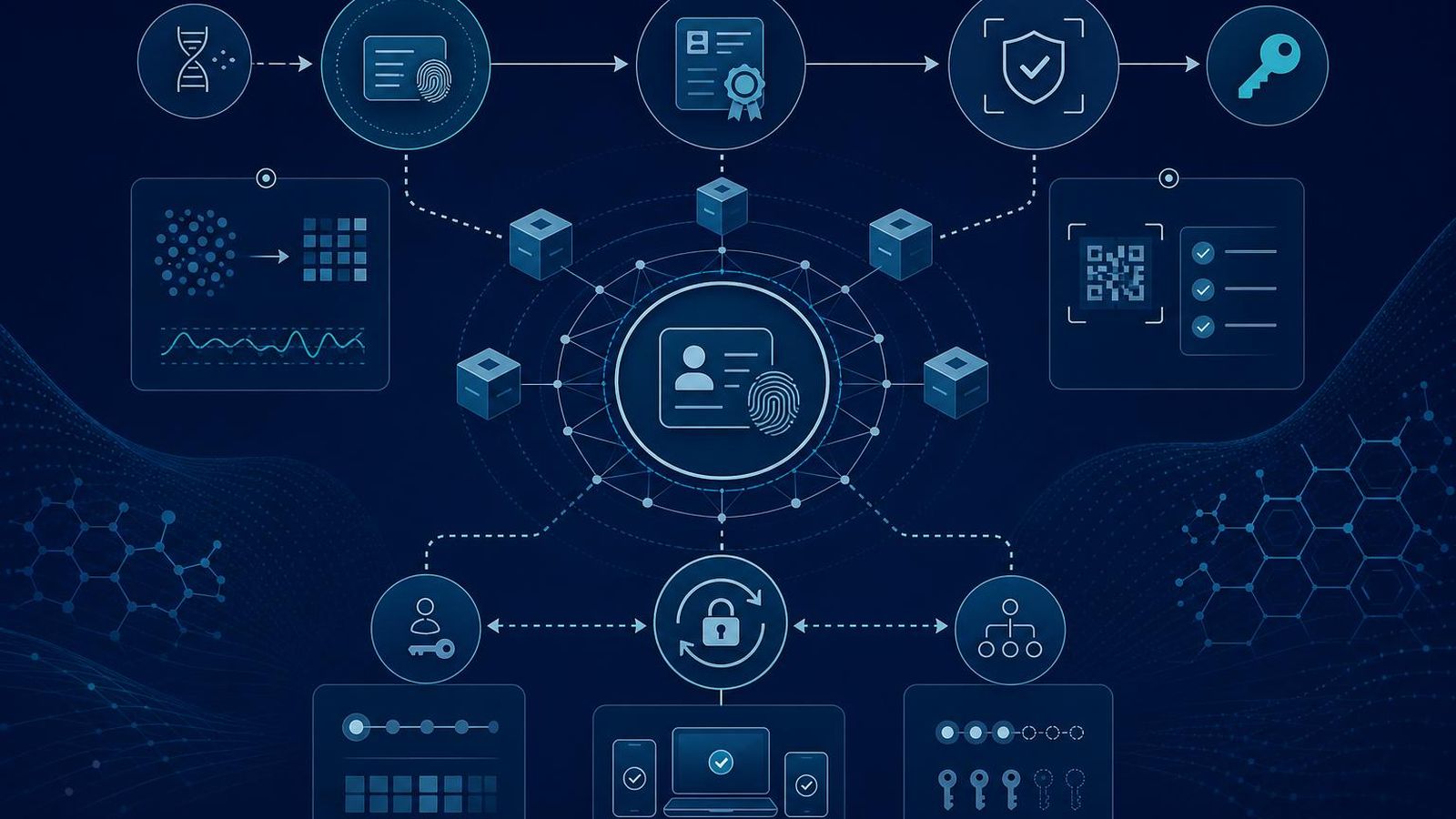
Patient identity projects in the directory are those that use ledger-backed or decentralised identifier components to address how patients are identified, onboarded, and authenticated across institutional systems. The category is distinct from consent management and from full EHR projects, though they frequently overlap in practice.
What works in practice
The strongest fit is in settings where the operational realities can be controlled. Provider credentialing is a notable example. Patients in well-supported research enrolment workflows are another. The protocol layer, decentralised identifiers and verifiable credentials, is mature enough to rely on. The identity proofing and key management layers remain the harder implementation problems.
Recovery and key management
Projects in this category that do not address recovery are presenting an incomplete design. A meaningful fraction of users will lose device access, change devices, or stop engaging. The design has to support recovery paths. Custodial options and social recovery are the approaches the deployments that have held up rely on. The self-custody model is one option in a menu, not a universal precondition.
Identity is not consent
The boundary between identity and consent is real and matters. Projects that collapse identity into consent produce designs in which a successful authentication becomes a blanket authorisation. The directory categorises projects that maintain the separation differently from projects that conflate them.
Directory posture
Confidence labels in this category reflect the seriousness of the identity proofing strategy, the issuer governance, the recovery design, and the deployment maturity. Projects with real deployments that engage with the full problem are labelled accordingly. Projects with only a credential protocol and no answer for onboarding or recovery are labelled accordingly.